
The right peptide solution is selected by intended use, formulation constraints, user experience, packaging, testing and destination-market requirements. A lyophilized vial, multi-component kit, dissolvable microneedle patch or dissolvable oral film is not interchangeable simply because each can contain a peptide. The delivery format must be reviewed as a complete system.
Which peptide format fits which project?
A raw peptide material is appropriate when the buyer controls downstream formulation and filling. A lyophilized powder or vial may suit projects that need a dry presentation and a defined activation or use workflow, but the composition, cake attributes, packaging and stability evidence must be developed for that exact formula. Multi-component kits add coordination between powder, activator, accessories and directions. Dissolvable microneedle patches introduce matrix, structure, loading, mechanical and packaging questions. Dissolvable oral films require separate review of film-forming materials, uniformity, handling and intended-use regulation. Selection should begin with the destination market and product route, then move to technical feasibility and user experience. Hytanbio Tech does not assume that a format is suitable from the peptide name alone; the full system is assessed before sample planning or quotation.
How should a new delivery-system concept be qualified?
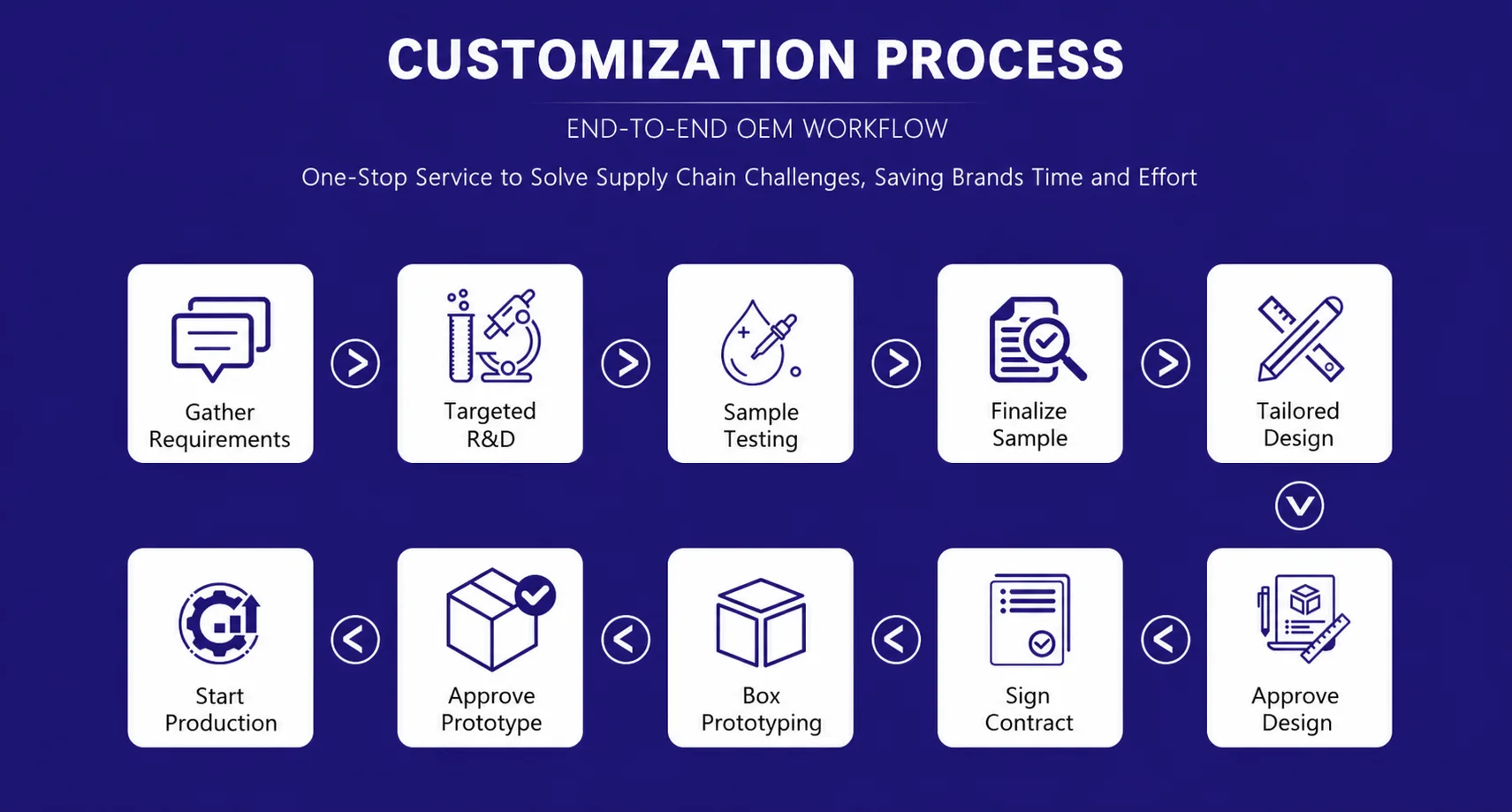
Define the user, intended use, target market, peptide identity, dose or concentration concept, supporting ingredients, package and desired shelf life before prototype work. The feasibility stage should identify compatibility risks, moisture sensitivity, processing limits and the quality attributes that will determine sample acceptance. During prototype review, record appearance, handling, application behavior, packaging interaction and any agreed analytical or performance checks. Claims must follow the applicable cosmetic, research or other regulatory route and should not be inferred from the delivery technology itself. Commercial readiness also depends on reproducible manufacturing, component availability, artwork, instructions, shipping protection and batch documentation. A staged project normally moves from brief to feasibility, prototype, approved specification and packaging, then pilot or commercial production. Each decision should be documented so that later scale-up does not silently change the approved concept.
Key parameters to confirm
- Intended use and destination-market route
- Peptide identity, form and target loading
- Supporting formula and compatibility constraints
- Primary packaging and moisture protection
- Prototype acceptance and testing plan
- Scale, artwork, instructions and export requirements
The same peptide concept can require very different packaging, documents, MOQ and training depending on the sales channel. Select the route that matches how your business will buy, use and resell the product.
Choose Your Buyer Scenario
| Buyer | Priority | Solution |
|---|---|---|
| Cosmetic brand | Differentiated concept and brand ownership | Brand development |
| Beauty salon | Professional protocol and repeat supply | Salon supply |
| Aesthetic skincare business | Careful cosmetic positioning and practitioner channel | Aesthetic skincare |
| Cross-border seller | Compact format, packaging and export coordination | Cross-border customization |
Shared B2B Foundations
- Clear product specification
- Realistic quantity and packaging plan
- Destination-market label review
- Sample and approval milestone
- Document and test scope agreed in advance
- Repeat-order change control
Frequently Asked Questions
Can one product be adapted for several sales channels?
Potentially, but packaging, directions, claims and order configuration may need to change by channel and destination.